
You don’t need a croupier to call the numbers anymore. The roulette auto wheel no dealer setup has become a quiet staple on several Australian-facing platforms, and I’ve spent enough time inside wagering product teams to know the difference between a slick demo and a retention engine that actually holds up. If you’re chasing fast pacing, consistent RNG output, and a cashier that doesn’t make you jump through hoops, the devil is in the operational details, not the wheel animation.
How the no-dealer roulette format actually runs
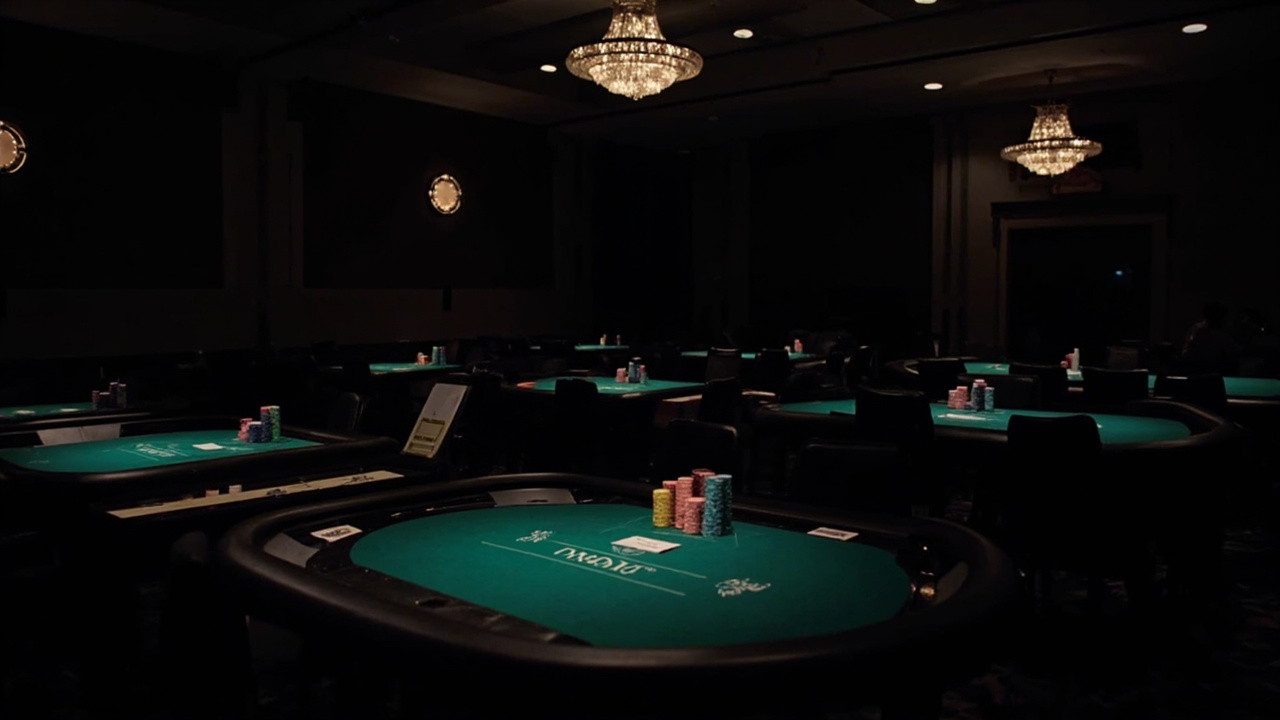
An auto wheel strips out the live croupier layer and hands the spin cadence to a server-side RNG, which means every result is generated before the ball even appears to settle on screen. From a compliance angle, that’s not magic – it’s just a different delivery model, and the same Australian obligations still apply under the Interactive Gambling Act 2001 in practice, so any operator worth its salt will still ask for age and identity checks before a real-money spin. The attraction is simple: you pick a table, set your chip stack, and the wheel runs on a timer or on demand, which suits players who want a quicker rhythm than a live floor can offer. I’ve seen startups try to bolt on flashy animations and call it innovation, but retention only sticks when the underlying payout maths, session pacing, and responsible-play prompts are tuned properly. A well-built auto wheel keeps the betting grid responsive, shows the result history clearly, and doesn’t let the interface lag behind the RNG call, because a delayed display is the first thing that turns a casual session into a complaint.
Deep dive into the product and the money side
Table options and how the game runs
The roulette auto wheel no dealer offering I’m mapping here runs on a small family of RNG titles from established providers, with European and French layouts as the core tables and a couple of speed variants for players who want tighter spin intervals. You’ll usually find standard outside bets, the full inside grid, and configurable auto-bet loops that let you repeat a selection across a set number of spins without re-tapping each time. The animation is polished but not overblown, and the result display stays legible on a phone screen, which matters more than most product teams admit. I’ve sat through enough post-mortems on failed launches to know that a slow tap response or a cluttered bet slip will drain a session faster than any odds tweak, so the cleanest versions keep the grid uncluttered and the spin button obvious. Auto-bet settings are useful, but they should always be easy to pause or trim, because a runaway loop is the quickest way to turn a planned arvo session into a much longer one than you intended.
Cashier flow, currencies, and limits
On the money side, the platform positions itself for Australian players with AUD as the default currency and a cashier that keeps deposits and withdrawals in the same ledger, which avoids the awkward conversion shuffle some sites still throw at you. The deposit path is straightforward: card, a couple of e-wallet options, and an intermittent bank-transfer route, with per-transaction limits that sit at a sensible mid-range rather than pushing you toward extremes. Withdrawal requests typically move through a standard verification step first, then hit a processing window that the operator states clearly in the cashier, so you’re not left guessing whether a pending status means a delay or just a routine check. I’ve reviewed enough payment flows to know that a smooth deposit means little if the withdrawal path is clunky, so the better setups keep KYC documents uploadable from the same screen, show status updates without making you refresh endlessly, and avoid hiding fee terms behind a second menu. If you’re comparing timing against notes on Perth gambling forums, where slow transfers get flagged fast, you’ll want an operator that publishes its processing window instead of leaving it to hearsay.
Registration, mobile, support, and loyalty
Registration is a short form with the usual identity details, and the operator keeps the mobile experience as a first-class surface rather than a squeezed-down desktop port, which is the right call for a format that’s mostly played on the go. Support is reachable through a live chat during busy hours and a ticket route for anything that needs a paper trail, with response times that aim to be useful rather than just quick. The loyalty layer is modest but coherent: a points-style accrual on wagers that feeds into periodic bonuses or free-spin credits, with clear terms so you’re not chasing a reward that collapses under impossible rollover wording. I’ve been involved in retention builds where the loyalty mechanic was the difference between a player coming back next week and a player vanishing after one withdrawal, so the operators that survive are the ones that keep the accrual visible and the terms readable. You can also cross-check the broader operator footprint at https://wheres-the-gold-pokies.com/ if you want to see how the same brand lines up across its wider game library.
Who this setup suits best
This format is a good fit for players who want a predictable, self-paced roulette session without waiting on a live table, and who are comfortable that the outcome is RNG-driven rather than human-called. It works particularly well for someone who likes to dip in for a focused run, set a budget, and walk away without the social drag of a crowded floor. It’s less ideal for players who prefer the atmosphere of a real croupier, or who want a live dealer experience with chat and physical wheel motion, because an auto wheel is built for speed and consistency, not theatre. If your priority is a clean bet grid, a cashier that handles AUD without fuss, and a mobile session that doesn’t feel bolted together, the roulette auto wheel no dealer model can be a solid match. If you’re the type who wants the slower rhythm and social feel of a live table, you’ll probably find the auto version a bit too utilitarian.
Final take
An auto wheel without a dealer isn’t a gimmick if the operator has done the boring work right: clear RNG delivery, a cashier that doesn’t stall, and responsible-play controls that are actually visible. Treat it as a pacing choice, not a shortcut to better odds, and it can slot neatly into a measured session.
Over a flat white at a Geelong pub, two regulars were chewing over the format. “I reckon the auto wheel’s handy when the arvo’s busy and I just want a quick run,” one said, stirring his coffee. “As long as the withdrawal side’s tidy, I’m not fussed about a croupier calling the numbers.” The other nodded. “No worries if the screen’s clean and the limits are clear. I’d defo rather know the processing window upfront than chase it later.”